
Written By: Sonia Stanford
I am a self-proclaimed artist. It doesn’t matter what medium I am using; whether it be crayon, clay, charcoal or paint, I am in love with creating show-stopping pieces and beautifying my space. I am constantly looking for an opportunity to add my own flare to my masterpieces— especially when I am doing painting projects. I have spent countless hours painting small items such as pots, portraits and signs, to larger pieces of furniture and even intricate murals on walls. Any paint job with detailed work is my specialty— but applying one single, boring color on a lifeless wall? I assumed it would be a cakewalk…but that was before I was ever tasked with the challenge of applying a fresh, simple coat of paint to our recently remodeled, frequently accessed living room.
Seriously, how hard is it really just to open up a can of paint and start rolling it all over the wall? If only it were THAT easy! Unfortunately, there is much prep work involved, and a lot more analytics rather than creativity. For me, the grim reality sunk in that this monotonous project could potentially take me all day, maybe even all week. I was feeling defeated before I even started the challenge! Apparently, this is a common feeling, especially with new homeowners or renters who have little painting experience, who also tend to avoid expensive professional painting services, like me! However, I am here to tell you that I survived what some would call a pain-staking ordeal…and I’d like to think I even conquered painting my own walls for all future projects to come!
While artists never give away all of their secrets, here are the TOP TEN things to consider when doing your own paint project masterpieces:
1. Envision your space and gather supplies. This is essential in the first step of your project. What does your ideal end result look like? Are there any parts of the wall that need patching? What type of furniture will occupy the space? Do you have all your tools on hand? Once you start painting, you will definitely want NO interruptions.
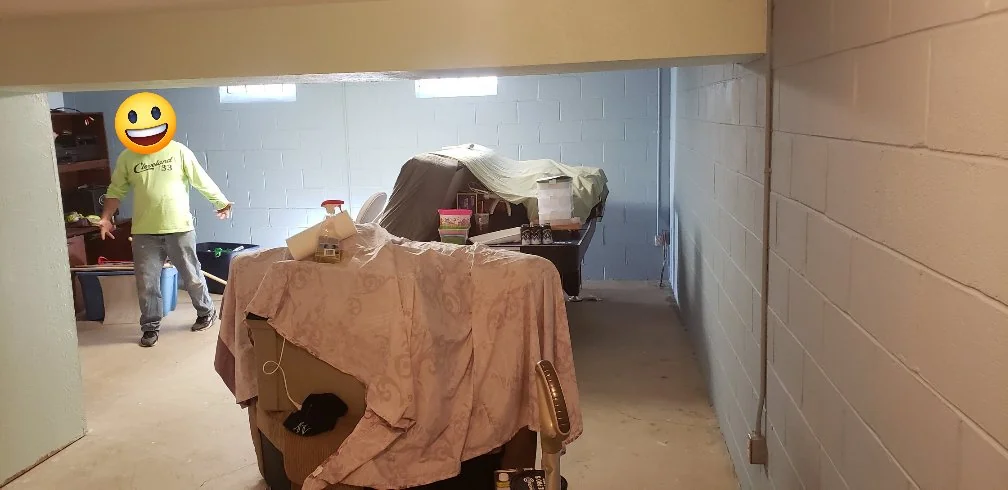
2. Set aside enough time to do the entire project. You need to prep and move or cover furniture before you can even begin to paint. Also account for time to clean up and allow paint to dry completely before you set up and put the final touches in your space. This process can take days (or weeks!) depending on the size of the project, the pre-existing stuff in your area, and your level of expertise. In other words, don’t decide to paint a room the day before you host a big family gathering (the project likely will not be done in time).
3. Choose a color that you are attracted to and also flows with your space. Sometimes this can be the hardest step— if the color doesn’t work, then you will either avoid the space, or feel compelled to repaint, which can be costly in terms of time and money, and mental health!
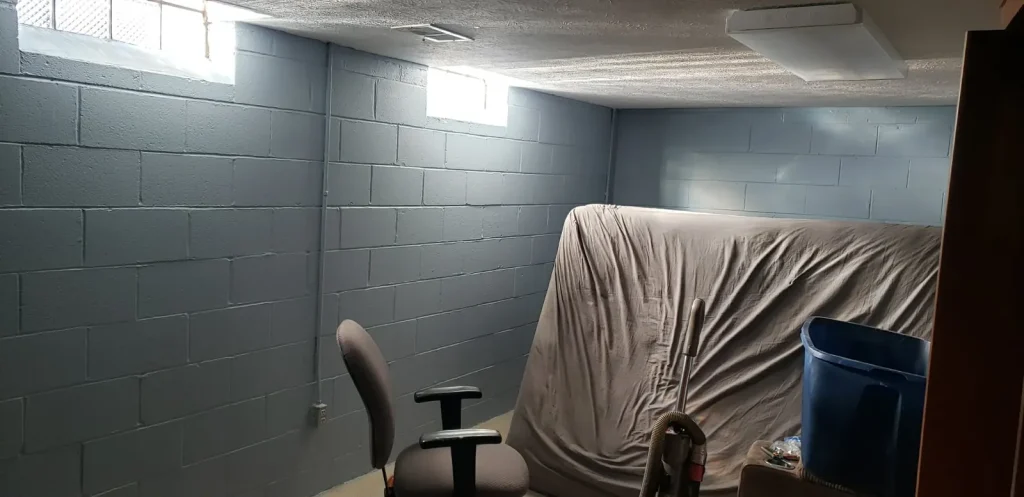
4. If you are overwhelmed with color choices, then start light and neutral. Create a panel of your favorite colors, then consider options that complement the lighting and the floor and be sure to bring home plenty of samples. Grab different shades for additional reference.
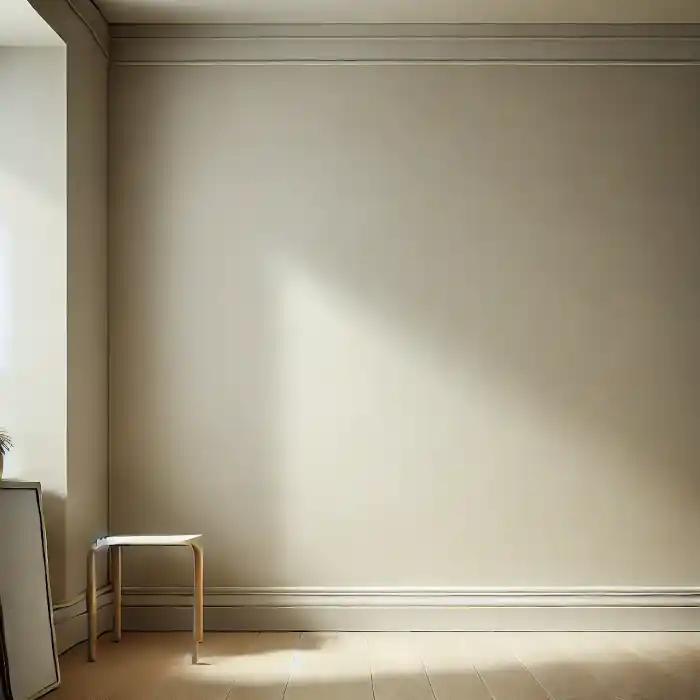
5. Lighting really does matter—from natural window light, to different types of bulbs like fluorescents or LEDs, and even the shades of warm and cool tones they produce. Don’t forget shadowed areas— all this can drastically change the look of your room and any colors you apply on the wall can go from pretty to pretty ugly! No pressure– but this can definitely feel like pressure if you’re not willing to invest the time and effort to redo the job if you absolutely hate it.
6. Measure the size of your room to ensure you purchase enough paint for a minimum of 2 coats on the wall. The first coat tends to have uneven spots from how the wall soaks the paint, so we like to do an extra coat for good measure. It’s also good to have a little extra on hand too in case you ever have to repaint damaged or scuffed spots on the wall.
7. Place sheets or large pieces of cardboard on the floor to avoid paint drips on tile or carpet. Clean up will go a lot more quickly. P.S.Paint on clothes is a permanent trophy so be sure to wear comfy play clothes or a smock—not your best Sunday attire.
8. For clean, crisp paint lines, use a reliable painter’s tape off the door frames and places where the wall meets the ceiling. This also helps to avoid accidental splatter/application on unwanted surfaces.
9. Invest in quality paint brushes to get in corners and tight spaces that the roller cannot reach. You want to do these little more detailed paint jobs first before hitting the larger areas.
10. Use a large roller to quickly and efficiently coat paint on large areas of wall, using even, overlapping strokes. It also helps to roll the paint on in even strokes going in the same direction— not only will you get a bold, uniform coat that is pleasant to the eye, you also can easily tend to any missed spots during the second coat application.
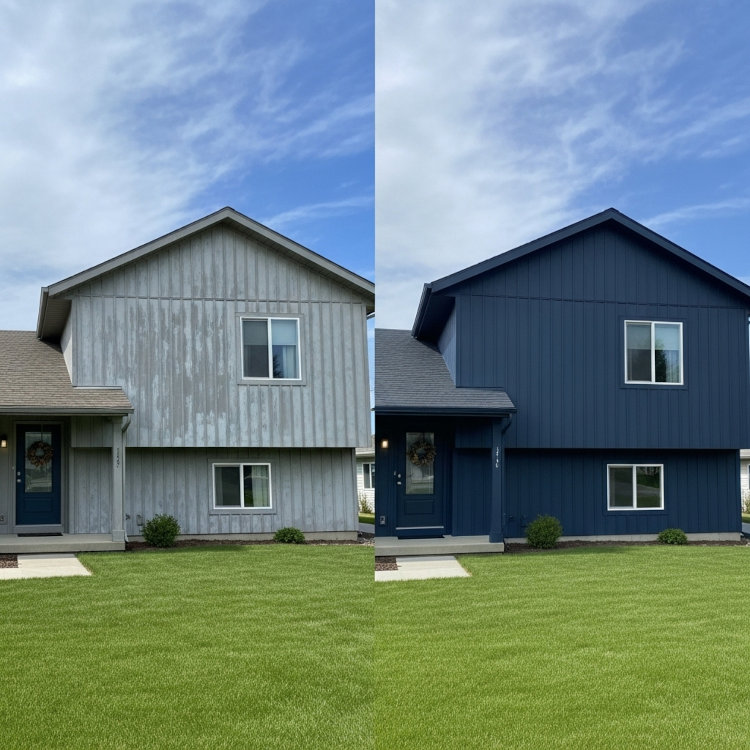
There, you have it. It is very clear to see that a quality paint job is more than just a simple two-step process of painting a wall and watching it dry. If you’ll try anything once, then put “painting a room” on your bucket list— and be sure to take before and after photos to admire your abilities. Reward yourself with a well-deserved massage at the end! If tedious, detailed work just isn’t your thing, then consider investing in a professional paint company that can do the work with less effort and up to half the time. Since you are aware that painting is not a simple process, be sure not to complain about the cost if you’re not willing to do the work yourself!
Views Expressed Disclaimer
The views, opinions, and information presented in this article are for informational purposes only and do not necessarily reflect the official policies or positions of Chagrin Falls Painting Company. While every effort has been made to ensure accuracy, Chagrin Falls Painting Company is not liable for any errors, omissions, or decisions made based on the content provided. Readers are encouraged to consult professionals for specific advice or assistance related to their unique circumstances.